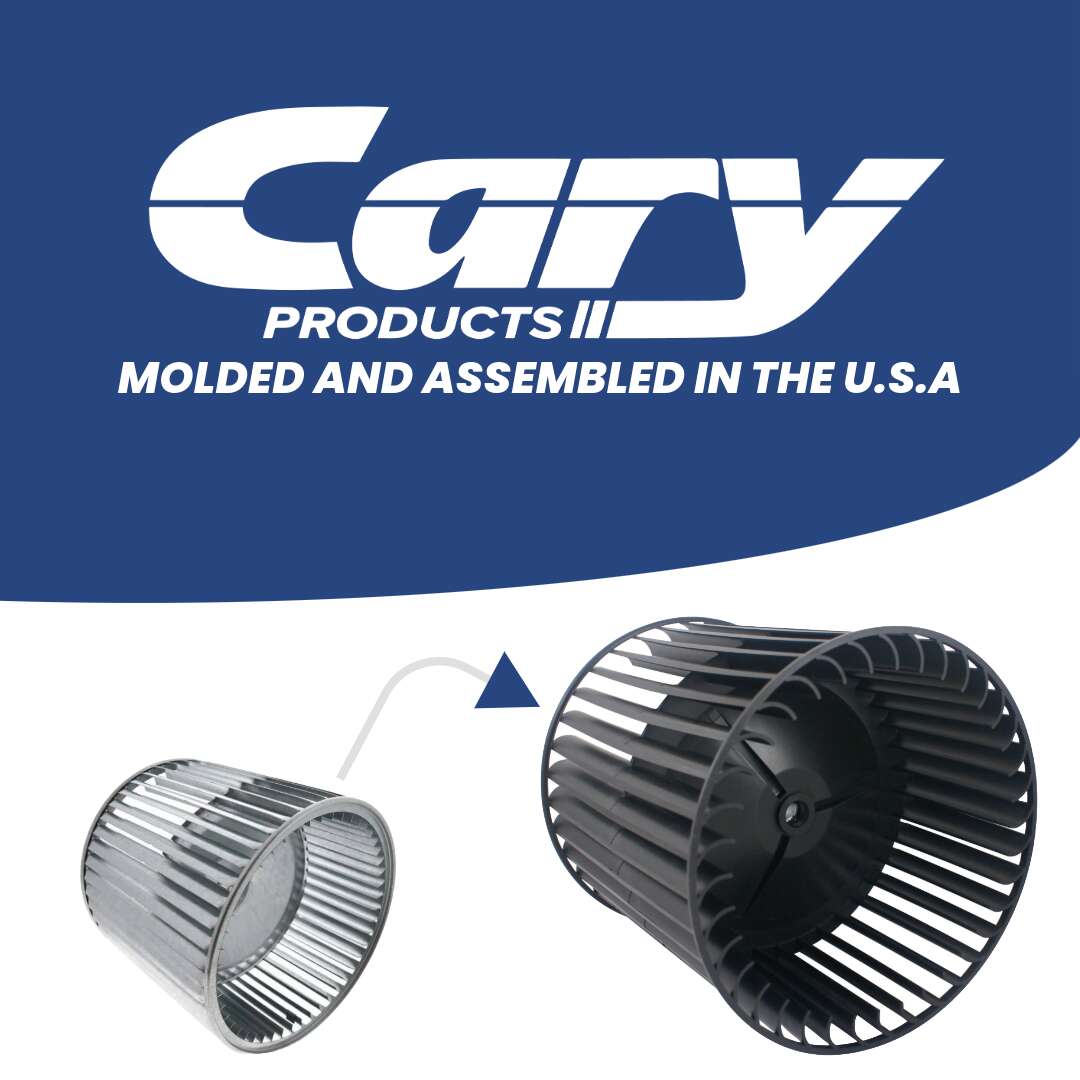
With over 70 years of experience specializing in metal-to-plastic conversions, Cary Products has helped reduce per-unit production costs through designing for manufacturability. Today, we’re exploring how custom plastic manufacturers provide cost-saving solutions with metal-to-plastic conversion.
The Advantages of Metal-to-Plastic Conversion
Synthetic plastic has been around since the 1860s, but it wasn’t until nearly 100 years later that the manufacturing industry revolutionized how plastics were used. As metals became scarce during World War II, demand for alternatives drove advances in material science. These innovative materials resulted in plastics that matched and often exceeded metals’ performance attributes for strength and durability.
As technology improved, custom plastic manufacturers quickly proved a valuable resource for quality, mass-produced components used across all industries. There are three main advantages to converting metal parts to plastic components: greater design flexibility, increased manufacturing efficiency, and improved weight reduction. These add up to substantial cost savings versus metal counterparts.
Design Flexibility
Due to the nature of injection molding processes, a greater degree of design flexibility allows for the rapid production of complex components, which would otherwise require additional fabrication and assembly services.
Weight Reduction
Using lean manufacturing strategies, the latest design simulation software, and extensive experience in metal-to-plastic conversion, plastic components can be up to 50% lighter than metal with the same strength and durability.
Manufacturing Efficiency
Tooling for metal-to-plastic conversion projects lasts longer than those used to manufacture metal parts. With careful design, plastic components require little to no additional machining or assembly processes, which can dramatically reduce overall production costs and lead times while ensuring greater manufacturing efficiency.
Cost Savings and Value-Added Features
Metal-to-plastic conversion can drastically reduce production costs, resulting in substantial savings. This process can also include value-added features not found in traditional metal parts, such as surface textures, patterns, and branded colors.
How Custom Plastic Manufacturers Ensure Seamless Transitions
Collaboration is vital to successful metal-to-plastic conversion. Custom plastic manufacturers must thoroughly understand the component’s application, expected stressors, and specifications to develop the best material blend and design solutions to withstand those stressors. By including designers and tooling manufacturers early in the process, we can identify opportunities and constraints for metal-to-plastic conversion and address manufacturability concerns.
Once the experts at Cary Products understand exactly what the component requires, we’re able to develop design solutions using the latest 3D molding technology with plastic simulation capabilities and our extensive experience in metal-to-plastic conversions. Our designers develop optimal material blends and cost-efficient tooling solutions, improving overall manufacturing efficiency.
To learn more about how metal-to-plastic conversion could improve your manufacturing efficiency, contact the experts at Cary Products today!